
Basement insulation in Sugar Land TX - a drier room that holds its temperature
Cold walls, a damp smell or a room you can't keep comfortable? We deal with any water first, then insulate so the room stays comfortable.
Request an estimate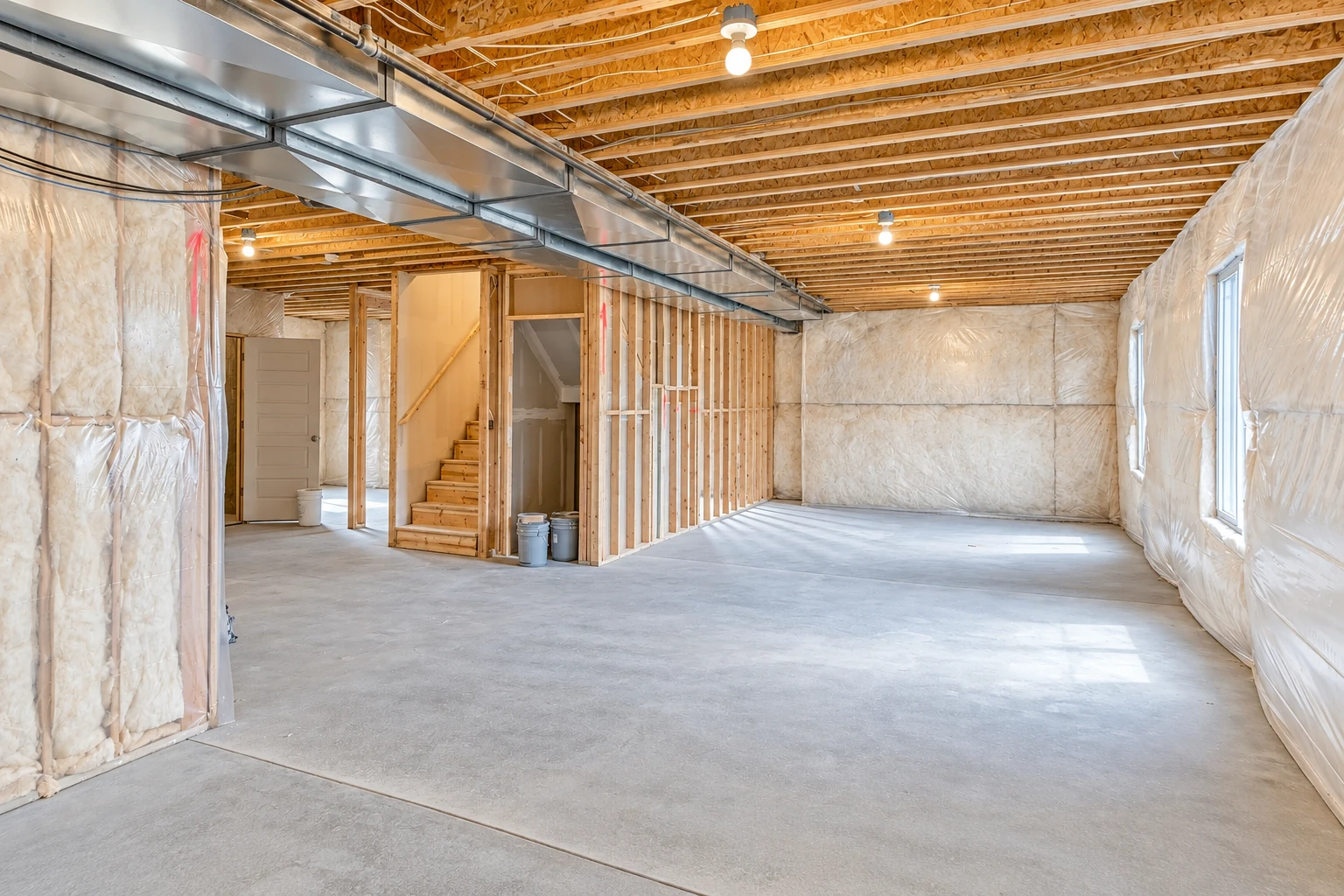
How do I insulate a basement in Sugar Land without trapping moisture?
Basement insulation in Sugar Land puts a layer of foam on your foundation walls so the room is easier to keep comfortable, and the whole job is planned around keeping moisture out of the wall.
Most people call us about a basement because the walls feel cold, the room smells damp or it never matches the rest of the house. The price moves with how much wall there is, whether water has to be dealt with first, foam board versus spray foam, and how the finished wall gets covered, and the schedule turns mostly on that water repair and the material we pick. If old fiberglass on those walls has gotten wet, we pull it out first with our insulation removal service. My estimate gives you your own figure and lists the steps in the order we'd do them.
How we do basement insulation
I start by looking for water coming through the wall, because insulation laid over a leak just hides it. If there is any, that gets fixed before we insulate, and outside water gets pointed away from the foundation so it stops reaching the wall. Then we talk about whether the room is living space, since that decides whether the insulation goes on the walls or overhead. Our installers put the foam on the foundation walls, seal the edges and seams and finish it off, and I walk the finished wall with you at the end.
The foam itself is the main choice. Closed-cell foam insulation, the dense kind that blocks moisture, is usually what we spray right on a foundation wall. Open-cell foam insulation is softer and lighter, so it fits better above the basement, in framed walls or the floor overhead, than against the concrete.
Basement insulation rules and weather in Sugar Land
The Sugar Land Permits Office handles permits in the city, and the city enforces the residential and energy codes on work like this. Whether your basement job needs a permit is something I confirm for your address rather than guess at, so we check which office covers you, and if the work needs a permit, we apply for it and keep you posted on inspections. If the insulation is part of a bigger remodel, keep in mind that the city says substantial renovation of existing buildings usually comes with certain flood damage protection requirements.
The air here is hot and humid most of the year, which is why moisture drives almost every choice we make on a basement. We're based in Sugar Land and work the cities around it, and we plan for the same sticky air on jobs in Stafford and Missouri City. If your city isn't on our list, call and ask.
Foam on foundation walls
Get your basement checked and a step-by-step estimate
We reply within one business day to set a time, then I come out, check the walls for water and write a free estimate that lists every step in order. There's no obligation to go ahead.
(832) 303-7078Basement insulation questions from Sugar Land
How much does basement insulation cost in Sugar Land, TX?
Installing basement insulation in the Houston area usually costs about $1,500 to $4,200 per job. That's the going range across the area, not our price. Your own figure comes from the on-site estimate, once I've seen the walls and know whether water has to be fixed first.
Can fiberglass batts go against my basement foundation wall?
No. Federal guidance says fiberglass batts and cellulose should stay out of contact with foundation walls, and foam is what it supports right against the concrete. If a framed wall in front of the foam gets fiberglass or mineral wool, the same guidance says not to put a Class I vapor retarder, the plastic-sheet kind that stops vapor almost completely, on the room side of it.
What is the best way to insulate a basement in Sugar Land, the walls or the ceiling?
For most basements here, the walls. Federal guidance says to insulate a basement ceiling only in a dry climate and only when the basement won't be used as living space, and our humid air rules out the first part. If you're using the room, that settles it even faster.
Does spray foam in a basement have to be covered?
Yes. Federal guidance says spray foam must be covered with ignition-barrier paint, a coating that slows fire from reaching the foam, or with drywall. That covering is part of the job, so when you compare quotes, check that each one includes it.
How do I know if rigid foam board was installed right in my basement?
Every panel should be stuck fully to the foundation wall with no air gap behind it, and the edges and seams should be tightly sealed. That's what keeps damp air from reaching the cold concrete, so ask your installer how they bond and seal each panel.
Can I insulate the outside of my basement walls instead?
It can be done, but federal guidance says to skip outside insulation where termites are a problem. When it does go on the outside, the same guidance says it has to be carefully protected from moisture while it's installed, so plan for that as part of the job. I'm glad to talk through which side makes sense when I'm there.
Book a basement look in Sugar Land
Call (832) 303-7078, 7 AM to 11 PM weekdays or 6 AM to 10 PM weekends, and mention any water you've seen down there and whether the room is lived in, since those two answers shape the whole plan.